

Permanent Resident vs Canadian Citizen: Key Differences Explained (2026)
Discover the differences between Canadian permanent residency and citizenship, including rights, travel, taxes, voting, residency obligations, and eligibility.
Moving to Canada is a dream for millions of people. But after receiving permanent resident status, many newcomers wonder whether becoming a Canadian citizen is really worth the effort. At first glance, both statuses seem remarkably similar. You can work, study, build a career, and enjoy access to healthcare and social benefits. So why do so many permanent residents eventually apply for citizenship?
The answer isn’t as simple as “citizenship is better.” Each status comes with its own rights, responsibilities, and long-term implications. Depending on your lifestyle, career goals, and travel plans, remaining a permanent resident may be enough—or citizenship could open doors that permanent residency never can.
Understanding Permanent Residency in Canada
Permanent residency (PR) gives foreign nationals the legal right to live in Canada indefinitely without becoming Canadian citizens. Most immigrants arrive through programs such as Express Entry, Provincial Nominee Programs (PNPs), family sponsorship, or business immigration.
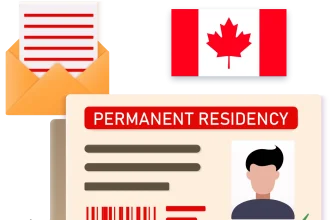
A permanent resident receives a PR card as proof of status. Although many people confuse this card with citizenship, it is simply a travel and identification document confirming permanent resident status.
PR holders enjoy many of the same everyday benefits as Canadian citizens. They can:
- Live anywhere in Canada.
- Work for almost any employer.
- Study without requiring a separate study permit.
- Access provincial healthcare after meeting local eligibility rules.
- Receive many social benefits available to residents.
- Sponsor eligible family members for permanent residence.
- Build credit, purchase property, and start businesses.
For many newcomers, permanent residency already provides the stability they were looking for. Life continues much like that of a Canadian citizen—at least on the surface.
What Does Canadian Citizenship Mean?
Canadian citizenship represents the final stage of the immigration journey.
Instead of holding immigration status, citizens become full members of the Canadian nation. They receive rights protected under Canadian law that permanent residents cannot obtain.
Citizens are eligible for a Canadian passport, can vote in federal, provincial, and municipal elections, and may run for public office if they meet legal requirements.
Unlike permanent residency, citizenship does not expire. Once granted, it generally remains for life unless it was obtained through fraud or misrepresentation.
For immigrants planning to spend the rest of their lives in Canada, citizenship often provides greater security and peace of mind.
Permanent Resident vs Canadian Citizen: The Biggest Differences
People often assume the differences are minor. In reality, some distinctions become extremely important over time, especially for frequent travelers or families planning their future.
Voting Rights
This is perhaps the clearest distinction.
Permanent residents cannot vote in Canadian elections.
Canadian citizens can vote in federal, provincial, territorial, and municipal elections, provided they meet the applicable voting requirements.
Voting allows citizens to influence decisions affecting taxation, education, healthcare, immigration policies, and economic priorities.
For many immigrants, participating in democracy marks the moment they truly feel they belong.
Canadian Passport
Travel is another major difference.
Permanent residents continue using the passport issued by their country of citizenship. To return to Canada after international travel, they normally need a valid PR card or Permanent Resident Travel Document.
Canadian citizens qualify for a Canadian passport, one of the world’s most widely accepted travel documents. It offers visa-free or visa-on-arrival access to numerous destinations and allows Canadians to seek consular assistance abroad.
For professionals who travel frequently or families who enjoy international vacations, this difference can significantly simplify travel.
Residency Obligation
One requirement catches many permanent residents by surprise.
To keep PR status, individuals generally must be physically present in Canada for at least 730 days during every rolling five-year period, subject to certain exceptions.
Someone working overseas for several years could unintentionally jeopardize permanent resident status if they fail to meet this obligation.
Canadian citizens face no equivalent residency requirement.
A citizen may live abroad for many years without losing citizenship.
This flexibility is especially valuable for entrepreneurs, consultants, international executives, academics, and retirees who divide their time between countries.
Employment Opportunities
Most jobs are available to both permanent residents and citizens.
Still, certain careers remain restricted.
Positions involving high-level security clearances or national security responsibilities may require Canadian citizenship. Some federal government roles are also reserved for citizens.
For someone interested in intelligence services, defense, or sensitive public-sector positions, citizenship can expand career opportunities considerably.
In the private sector, however, employers generally treat permanent residents and citizens equally when it comes to hiring, promotions, and compensation.
Can Permanent Residents Lose Their Status?
Many newcomers mistakenly believe permanent residency lasts forever regardless of circumstances.
It doesn’t.
PR status can be lost for several reasons, including:
- Failing to meet the residency obligation.
- Voluntarily renouncing permanent residence.
- Receiving a final removal order.
- Obtaining status through fraud or misrepresentation.
Citizenship provides much greater permanence because it is not tied to maintaining physical residence in Canada.
That distinction becomes particularly important for immigrants whose careers require extensive international travel or relocation.
Do Permanent Residents and Citizens Pay Different Taxes?
A common myth is that Canadian citizens enjoy lower taxes than permanent residents. In reality, your immigration status does not determine how much tax you pay.
Canada’s tax system is based primarily on tax residency, not on whether you are a permanent resident or a citizen. If you live and earn income in Canada, you’ll generally be subject to the same federal and provincial tax rules as anyone else in a similar situation.
That means two people with the same income—one a permanent resident and the other a citizen—will usually pay the same amount of tax.
Healthcare and Public Benefits
Both permanent residents and citizens can access Canada’s publicly funded healthcare system once they meet the eligibility requirements of their province or territory. Some provinces have waiting periods for newcomers, while others provide coverage almost immediately.
Beyond healthcare, permanent residents may also qualify for several government programs, including child benefits, retirement programs, and employment insurance, provided they meet the specific eligibility criteria.
The day-to-day experience is often very similar. Most people won’t notice any difference when visiting a doctor, enrolling their children in school, or accessing public services.
Education Opportunities
Children of both permanent residents and citizens can attend public elementary and secondary schools without paying international student tuition.
At the post-secondary level, both groups are generally eligible for domestic tuition rates, which are substantially lower than the fees charged to international students.
This difference alone can save families thousands of euros over the course of a university degree when compared with studying as an international student.
For parents planning their children’s future, permanent residency already provides a significant financial advantage.
Sponsoring Family Members
Family reunification is one of Canada’s immigration priorities.
Permanent residents and citizens can both sponsor eligible family members, including spouses, common-law partners, dependent children, and, in many cases, parents and grandparents through applicable immigration programs.
However, citizens living outside Canada may sometimes have additional flexibility when sponsoring a spouse or dependent child if they can demonstrate their intention to return and live in Canada after permanent residence is granted.
For most families already living in Canada, the sponsorship process is broadly similar regardless of whether the sponsor is a permanent resident or a citizen.
Can You Hold Dual Citizenship?
Canada recognizes dual and multiple citizenship.
This means becoming a Canadian citizen does not automatically require you to give up your original nationality.
The important question isn’t Canadian law—it’s the law of your home country.
Some countries fully recognize dual citizenship. Others require people to renounce their previous nationality before acquiring another. A few automatically revoke citizenship when a new one is obtained.
Before applying for Canadian citizenship, it’s wise to verify the rules in your country of origin. A decision that seems straightforward could have unexpected consequences for inheritance rights, military obligations, or property ownership abroad.
How Do You Become a Canadian Citizen?
Citizenship is not automatic after obtaining permanent residence.
Applicants must first satisfy several legal requirements before submitting an application.
Although rules may change over time, most applicants generally need to:
– Hold permanent resident status.
– Meet the required period of physical presence in Canada.
– File Canadian income taxes if required.
– Demonstrate adequate knowledge of English or French, where applicable.
– Pass the Canadian citizenship test if they fall within the required age group.
– Take the Oath of Citizenship after approval.
The citizenship test covers topics such as Canadian history, geography, political institutions, rights, and civic responsibilities. Many applicants spend several weeks preparing, even if they have lived in Canada for years.
Is Citizenship Always the Right Choice?
Not necessarily.
For some immigrants, permanent residency already provides everything they need.
Imagine someone who plans to spend only a few years in Canada before returning home permanently. Applying for citizenship may offer limited practical benefit.
Now consider another person building a long-term career in Canada, purchasing a home, raising children, and planning to retire there. Citizenship becomes much more valuable because it removes future residency concerns and grants full political rights.
The best choice depends less on immigration status than on personal plans.
Permanent Resident vs Canadian Citizen: Side-by-Side Comparison
Feature| Permanent Resident| Canadian Citizen
Live in Canada| Yes| Yes
Work in Canada| Yes| Yes
Study in Canada| Yes| Yes
Access public healthcare| Yes| Yes
Vote in elections| No| Yes
Run for political office| No| Yes (subject to legal requirements)
Canadian passport| No| Yes
Residency obligation| Yes| No
Risk of losing status| Yes| Very limited circumstances
Sponsor eligible family members| Yes| Yes
Most government jobs| Some restrictions| Full eligibility where citizenship is required
Deportation after serious immigration violations| Possible| Generally not applicable as an immigration matter
Common Misconceptions
One misconception refuses to disappear: that permanent residents are “almost temporary.” That’s simply inaccurate.Permanent residence is designed to allow immigrants to settle in Canada permanently. Many people spend decades as permanent residents without changing their status.
Another myth is that citizenship immediately changes taxes, healthcare, or everyday life. In truth, the biggest changes relate to political rights, international travel, and long-term security rather than daily routines.
Which Status Makes More Sense for Different Types of Immigrants?
Every immigration journey is unique, which is why there’s no universal answer to the permanent resident versus citizen debate.
The Young Professional
A software engineer moving to Toronto for long-term career growth may initially find permanent residence more than sufficient. It provides access to the labour market, healthcare, and the ability to build a life in Canada.
After a few years, though, citizenship often becomes the logical next step. International business travel becomes easier with a Canadian passport, and there is no longer any need to keep track of residency obligations.
The International Business Owner
Entrepreneurs frequently split their time between several countries.
For them, maintaining permanent resident status can become challenging if business requires extended periods outside Canada. Since permanent residents must satisfy residency obligations, long absences may put their status at risk.
Citizenship removes that concern, allowing greater flexibility while maintaining full legal status in Canada.
Families Raising Children
Parents often look beyond their own circumstances.
Many choose citizenship because they want to participate fully in Canadian civic life, vote in elections, and enjoy the long-term security that comes with becoming Canadian citizens. As children grow up in Canada, citizenship can strengthen a family’s sense of belonging and eliminate uncertainty about future residency requirements.
Common Mistakes to Avoid
Immigration rules can seem straightforward until a small oversight creates unexpected complications.
One of the most common mistakes is assuming a PR card and permanent resident status are the same thing. They’re not. A PR card may expire, but permanent resident status doesn’t disappear simply because the card reaches its expiry date. The card is primarily a travel document used to re-enter Canada on commercial transportation.
Another frequent mistake is spending too much time outside Canada without monitoring the residency obligation. A long overseas assignment or caring for relatives abroad can add up quickly, making it harder to retain permanent resident status.
Some applicants also delay applying for citizenship even after meeting all the eligibility requirements. While waiting isn’t necessarily a problem, applying sooner can provide additional security and simplify future international travel.
Frequently Asked Questions
Can a permanent resident stay in Canada forever?
Yes, provided they continue to meet the legal requirements for maintaining permanent resident status, including the residency obligation.
Does becoming a Canadian citizen affect my original nationality?
Not under Canadian law. However, whether you can keep your original citizenship depends on the laws of your home country.
Can permanent residents get deported?
In certain situations, yes. Serious criminal convictions, fraud, or failure to comply with immigration laws can lead to the loss of permanent resident status and removal proceedings.
Is it difficult to become a Canadian citizen?
For most eligible permanent residents, the process is straightforward. The key is meeting the physical presence requirement, filing taxes when required, demonstrating language ability if applicable, and successfully completing the citizenship process.
Do permanent residents receive the same healthcare as citizens?
Generally, yes. Provincial and territorial healthcare systems usually provide the same medical coverage to eligible permanent residents and Canadian citizens.
Is Canadian citizenship worth it?
For many immigrants, the answer is yes. The ability to vote, hold a Canadian passport, live abroad without worrying about residency obligations, and access certain government positions makes citizenship an attractive long-term goal. That said, permanent residence already offers many of the practical benefits needed to build a successful life in Canada.
Suggested Image ALT Text
- Permanent Resident vs Canadian Citizen comparison infographic
- Canadian passport beside a Permanent Resident card
- Family celebrating Canadian citizenship ceremony
- Immigration documents for Canadian permanent residency
- Rights and benefits of Canadian citizens and permanent residents
- Canadian flag representing the path from PR to citizenship
For many newcomers, permanent residency is the foundation on which they build a new life. It offers stability, employment opportunities, access to healthcare, and the freedom to settle almost anywhere in the country. Citizenship, however, changes the relationship with Canada. It removes residency obligations, grants political rights, expands travel opportunities, and provides a level of permanence that many immigrants eventually seek after years of calling Canada home.