


Learn how to obtain a Canada student visa, understand the requirements, costs, processing times, and avoid the mistakes that lead to refusals.
Dreaming of studying in Canada? Thousands of international students apply every year, but many discover that the process is far more demanding than expected. Between financial requirements, paperwork, and recent immigration changes, obtaining a Canadian study permit requires careful preparation.
Why the Canada Student Visa Remains So Popular
Canada continues to attract students from every continent. Strong universities, a high standard of living, and post-graduation opportunities make the country particularly attractive.
For many applicants, studying in Canada is not simply about earning a degree. It is often part of a larger life project that includes international work experience and, in some cases, long-term immigration opportunities.
What Is a Canada Student Visa?
Technically, Canada issues a study permit, not a traditional student visa. This permit allows international students to study at designated learning institutions.
The Canadian government explains the process in detail through the official study permit portal:
Official resource:
Students approved for a study permit usually receive either a visitor visa or an Electronic Travel Authorization, depending on their nationality.
The Documents You Need
One missing document can delay an application for weeks.
Applicants generally need:
- A letter of acceptance from a designated learning institution.
- A valid passport.
- Proof of financial support.
- Biometrics.
- Medical examinations if required.
- Additional supporting documents depending on the country of residence.
Canada now requires many applicants to provide a Provincial Attestation Letter (PAL), a relatively recent requirement that many students still overlook.
You can verify document requirements here:
Financial Requirements: The Biggest Challenge
Money remains one of the leading reasons for refusals.
Canadian immigration authorities expect students to prove they can pay:
- Tuition fees.
- Housing expenses.
- Living costs.
- Transportation costs.
Recent updates have increased financial expectations for international students, reflecting the rising cost of living in Canada.
Many applicants focus entirely on tuition fees while underestimating daily expenses. That’s often where difficulties begin.
How Much Does a Canada Student Visa Cost?
The official study permit application fee is 150 Canadian dollars, which is approximately 95 euros.
Biometrics cost 85 Canadian dollars, or roughly 54 euros.
The official government fee information is available here:
Additional costs may include:
- Medical examinations.
- Translation services.
- Health insurance.
- Travel expenses.
- Accommodation deposits.
Processing Times Can Change Quickly
One of the most frustrating parts of the process is waiting.
Processing times vary depending on the applicant’s country, the season, and the number of applications being handled.
The Canadian government regularly updates processing information through its immigration services.
Several students have reported delays during peak admission periods, especially before the autumn intake. Community experiences often show that submitting a complete application early significantly reduces stress.
Working While Studying in Canada
Eligible international students may work during their studies.
Current regulations allow many students to work up to 24 hours per week off campus during academic sessions, provided they meet eligibility requirements.
This opportunity helps cover some living expenses, although it rarely finances an entire degree.
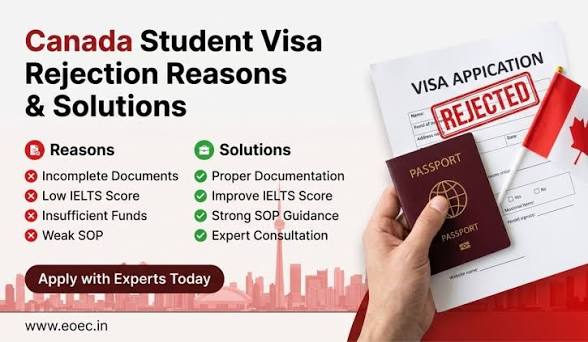
Common Reasons for Refusal
Several issues appear repeatedly in refused applications.
Weak financial evidence
Immigration officers must be convinced that students can support themselves financially.
Unclear study plans
Applicants must explain why they selected Canada, their institution, and their program.
Missing documents
Incomplete files remain one of the most common reasons for delays and returned applications. Canadian authorities specifically warn applicants against submitting incomplete files.
What Happens After Graduation?
Many graduates remain interested in Canadian work opportunities.
Graduates from eligible programs may qualify for a post-graduation work permit, allowing them to gain professional experience in Canada.
Recent immigration policies have also maintained eligibility rules for several post-graduation programs through 2026.